What is Branding and How It Impacts Design for Startups
Author
Vignesh
Published On
Many startups believe branding is just a logo, colors, or a website. In reality, branding is the perception people have about your business when you are not in the room. It is how your product feels, how your service is remembered, and why customers choose you over competitors.
In today’s crowded digital market, good design alone is not enough. Brand-driven design is what builds trust, creates emotional connection, and turns first-time visitors into loyal customers.
What Is Branding?
Branding is the strategic process of shaping how your business is perceived. It includes:
Brand purpose and vision
Brand positioning and messaging
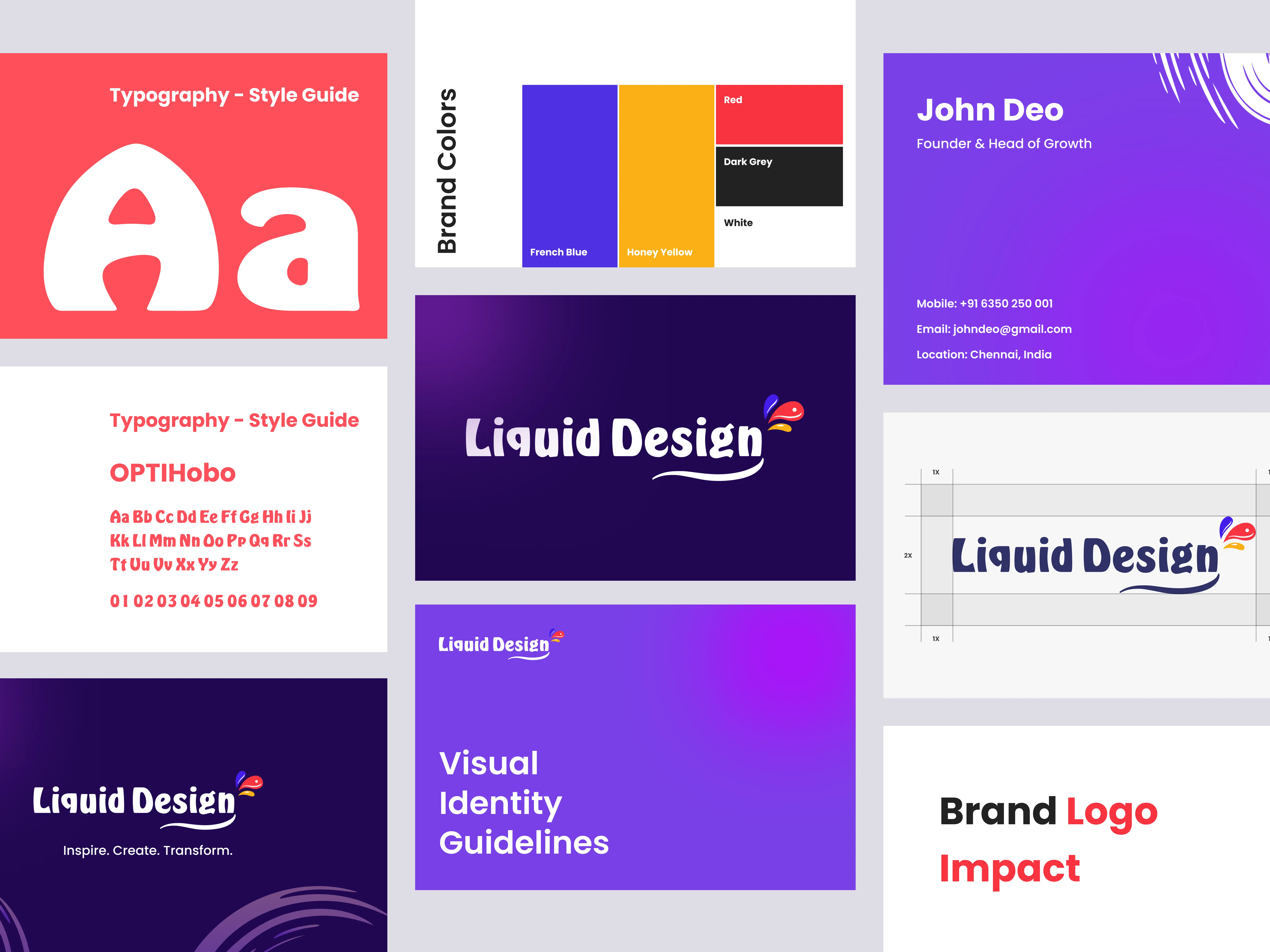
Visual identity (logo, colors, typography)
Tone of voice and communication style
User experience across all touchpoints
It bridges strategy and customer experience, ensuring consistency across websites, packaging, and marketing materials. Effective branding makes businesses memorable and differentiates them from competitors.
Fact: According to market studies, consistent branding can increase revenue by up to 20–30% because people trust what they recognize.
The Three Pillars of Effective Branding
Visual Identity: Your logo, color scheme, typography, and imagery create immediate recognition. These elements should work harmoniously to convey your brand's essence at a glance.
Brand Voice: The language and tone you use across all communications establishes your personality. Whether you're professional and authoritative or casual and approachable, consistency builds familiarity.
Brand Experience: Every touchpoint, from your website navigation to your customer support emails, contributes to how people perceive your brand. Cohesive experiences build trust and credibility.
How to Build Strong Branding
Creating a brand that drives business results requires strategic thinking combined with creative execution. Here's a framework that works for startups looking to establish strong foundations.
Step 1: Define Your Brand Strategy
Who are you serving? Create detailed customer personas that go beyond demographics. Understand their challenges, aspirations, and what influences their purchasing decisions. A B2B SaaS company serving enterprise clients requires completely different branding than a D2C wellness brand targeting millennials.
What problem do you solve? Be specific about the transformation you provide. Peloton doesn't sell exercise bikes; they sell the ability to access boutique fitness classes from home. This distinction shapes every branding decision they make.
What makes you different? Identify your unique value proposition. This shouldn't be generic statements like "quality" or "customer service" that every competitor claims. Find the specific intersection of what you do best and what your customers value most.
What do you want to be known for? Your brand positioning statement should be clear and focused. Volvo owns safety. Apple owns innovation and simplicity. What can you own in your customers' minds?
Step 2: Develop Your Visual Identity
With strategy in place, translate your brand into visual elements that communicate instantly.
Color Psychology: Colors trigger emotional responses. Blue evokes trust and professionalism (think Facebook, LinkedIn, IBM). Orange suggests energy and affordability (think Home Depot, Amazon). Choose colors that align with the emotions you want to evoke and ensure they work across digital and print applications.
Typography Selection: Your font choices communicate personality before anyone reads a word. Serif fonts like Georgia or Playfair suggest tradition and reliability. Sans-serif fonts like Helvetica or Inter feel modern and clean. Script fonts can convey elegance or playfulness depending on the style. Select one or two typefaces and establish clear hierarchy rules for headlines, body copy, and UI elements.
Logo Design: Your logo should work across all sizes and contexts, from social media avatars to billboard advertisements. The best logos are simple, memorable, and meaningful. They should look intentional, not like default template choices. Consider investing in professional logo design rather than using generic DIY tools if your budget allows.
Photography and Imagery Style: Establish guidelines for the types of images that represent your brand. Should photos be candid or staged? Bright and colorful or muted and minimal? Stock photos or custom photography? These choices significantly impact brand perception.
Step 3: Establish Your Brand Voice
How you communicate is as important as how you look. Your brand voice should remain consistent whether someone is reading a social media post, a blog article, or a customer support email.
Define your voice along these spectrums: formal vs. casual, serious vs. humorous, respectful vs. irreverent, enthusiastic vs. matter-of-fact. Document specific word choices, phrases you embrace, and phrases you avoid.
Innocent Drinks, a UK smoothie company, uses a distinctively playful and conversational voice across all communications. Even their legal disclaimers are friendly and approachable. This consistent voice, paired with simple packaging design, built a beloved brand that sold to Coca-Cola for £320 million.
Step 4: Create Brand Guidelines
Document your branding decisions in a comprehensive style guide that ensures consistency as your team grows. Your brand guidelines should include:
Logo usage rules, including minimum sizes, spacing, and what not to do
Complete color palette with exact color codes for digital and print
Typography guidelines with examples of proper hierarchy
Photography and imagery standards with approved and rejected examples
Voice and tone guidelines with sample copy
Design element libraries (icons, patterns, textures)
Application examples showing your brand across different media
Companies like Spotify and Uber make their brand guidelines publicly available, demonstrating their commitment to consistent brand expression.
The Branding Impact: Where Branding Meets Business Results
Effective branding doesn't exist in isolation. It directly impacts your ability to attract customers, charge premium prices, and scale efficiently.
1. Conversion Rate Optimization
Strong branding reduces friction in the customer journey. When visitors immediately understand who you are, what you offer, and why it matters, they move through your funnel faster. Adobe's branding across their Creative Cloud suite creates instant recognition, making their products feel familiar even to new users exploring different tools.
Consistent branding elements across your website, landing pages, and advertising increase trust signals that improve conversion rates. Nielsen Norman Group research shows that users form opinions about website credibility within 50 milliseconds, primarily based on visual design and branding consistency.
2. Premium Pricing Power
Brands command price premiums over generic alternatives. Apple products cost more than comparable tech, but customers pay willingly because the brand represents quality, status, and ecosystem integration. This pricing power stems from years of consistent branding that created emotional connections beyond product features.
For service-based startups, strong branding allows you to position as premium providers rather than commodity vendors. When two design agencies offer similar services, the one with polished, professional branding can charge 30-50% more because their brand signals higher value.
3. Customer Loyalty and Retention
Acquiring new customers costs five to seven times more than retaining existing ones. Brands create emotional connections that transcend individual transactions, making customers less likely to switch to competitors.
Patagonia's brand commitment to environmental responsibility creates a community of loyal customers who see their purchases as value-aligned investments. This loyalty isn't accidental; it's the result of consistent brand messaging backed by authentic actions over decades.
4. Talent Attraction
Your brand doesn't just attract customers; it attracts employees and partners. In competitive job markets, strong employer branding helps startups compete with larger companies for top talent. When your company has clear values and aesthetic identity, you attract people who resonate with your mission.
5. Scalability and Partnership Opportunities
Established brands open doors to partnerships, media coverage, and growth opportunities that would otherwise remain closed. When investors or potential partners evaluate your startup, strong branding signals professionalism and market understanding, making you a more attractive opportunity.
Scaling Your Brand: Growth Strategies
Building a brand isn't a one-time project but an ongoing process that evolves with your business. Here's how to scale your branding efforts strategically.
1. Content Marketing That Builds Brand Authority
Publishing valuable content establishes your brand as a thought leader in your industry. HubSpot built a $35 billion company largely through content marketing that positioned them as inbound marketing experts. Their consistent branding across thousands of blog posts, ebooks, and tools created trust before they ever made a sales pitch.
For your startup, identify topics where you have genuine expertise and create comprehensive resources. Each piece of content should reinforce your brand voice and visual identity while providing real value. This approach attracts organic traffic, generates backlinks, and positions you as the go-to authority in your niche.
2. Social Media Presence That Extends Your Brand
Your social media channels should feel like natural extensions of your brand, not disconnected marketing accounts. Wendy's Twitter account gained millions of followers by embracing their brand personality through witty, sometimes sarcastic responses that remained true to their casual, fun brand voice.
Choose platforms where your target customers spend time and maintain consistent branding across profile images, cover photos, and post designs. Create templates for common post types to ensure visual consistency while allowing flexibility for varied content.
3. Strategic Partnerships and Collaborations
Partnering with complementary brands can extend your reach while reinforcing your positioning. When Spotify partnered with Starbucks to let customers influence store playlists, both brands benefited from association with the other's cool, lifestyle-oriented positioning.
Look for partnership opportunities with brands that share your values and target audience but don't compete directly. Co-created content, joint events, or integrated products can introduce your brand to new audiences with built-in credibility.
4. Measuring Brand Impact
While branding can feel intangible, its impact is measurable. Track these metrics to assess brand strength:
Brand Awareness: Survey target customers about unprompted and prompted brand recall. Track search volume for your brand name over time.
Brand Perception: Conduct regular surveys asking customers to describe your brand using predefined attributes. Monitor social media sentiment and online reviews.
Share of Voice: Measure your brand mentions relative to competitors in your industry across media, social platforms, and search results.
Customer Lifetime Value: Strong brands generate more repeat purchases and higher customer lifetime value compared to generic alternatives.
Price Premium: Compare your pricing to competitors and track your ability to raise prices without losing customers.
Employee Net Promoter Score: Happy employees who believe in your brand become your best marketers. Track how likely team members are to recommend your company to others.
Transforming Branding Knowledge Into Business Growth
Reading about branding is valuable, but implementation creates results. If you've made it this far, you likely recognize that your current branding isn't serving your business growth goals as effectively as it could.
Strong branding isn't an expense; it's an investment that compounds over time. Every day you operate with inconsistent or weak branding, you lose opportunities to make powerful first impressions, command premium prices, and build the customer loyalty that drives sustainable growth.
The startups that prioritize strategic branding early create foundations that support exponential growth. Those that treat it as an afterthought spend years and resources rebuilding trust and recognition they could have built correctly from the start.
Conclusion
Branding is not an expense it’s a growth strategy.
When branding drives design:
Products feel intentional
Experiences feel trustworthy
Businesses scale with confidence
If your design looks good but doesn’t convert, branding is the missing link.
Frequently Asked Questions
1. What is branding in simple terms?
Branding is how people perceive your business. It includes your purpose, messaging, visual identity, and the overall experience users have with your product or service. It’s not just a logo it’s the feeling and trust your brand creates.
2. Why is branding important for design impact?
Branding gives direction to design. When design is guided by a strong brand strategy, it becomes consistent, meaningful, and trustworthy, which leads to better user engagement and higher conversions.
3. How does branding impact trust?
Consistent branding signals reliability and transparency, fostering loyalty through positive experiences. Examples like Apple's ecosystem demonstrate how unified design builds long-term customer confidence.
4. How can startups scale their branding efforts?
Use modular toolkits for adaptable visuals, expand via digital channels and partnerships. Early investment supports efficient growth, cutting costs by up to 522% in revenue forecasting.
Share this blog!
Latest Blogs
Explore our latest insights on design, AI, and digital innovation.